
St Louis: The Opportunity
A Broken Market Creating Exceptional Entry Points
The transitions taking place with St. Louis commercial real estate are creating a once-in-a-generation opportunity. Vacant office towers, foreclosures, and shifting demographics have created a low-cost acquisition environment mixed with tremendous incentives that hasn’t existed in decades. For both experienced investors and those seeking new opportunities, the entry basis is compelling, to say the least.
Market Conditions Driving the Opportunity
Historic building office inventory
Few U.S. markets possess St. Louis’ concentration of architecturally significant, financeable historic structures — now available at distressed prices due to previous decades of poor market conditions.
Motivated Public-Sector
City and state leaders are actively deploying incentives (TIF, tax abatement, historic tax credits, and recently passed innovation zones) at a scale difficult to replicate in other recovering markets.
Job growth in the top 5 nationally
The underlying economic fundamentals are outstanding. Anti-crime initiatives and job creation are building the demand infrastructure that precedes real estate recovery.

What This Means for Limited Partners

Real Asset Growth
Equity participation in tangible, income-producing real estate. Commercial renovated buildings in key locations carry intrinsic preservation value.

Tax-credits & Incentives
Tax credits, depreciation, and abatement structures combine to offset market shortcomings.

Deferred and minimized capital gains
Opportunity zones provide strategic exit planning that targets windfall profit structures designed to significantly reduce or eliminate capital gains tax obligations at disposition.

Civic legacy alongside financial returns
Investments that restore the urban fabric, create jobs, and preserve architectural heritage provide a total community benefit.
Who Benefits From These Opportunities
City Investments works exclusively with accredited investors.
Accredited investors – $200,000+ annual income or $1.5 million+ in net assets (excluding primary residence)
Family offices and sophisticated investors seeking real asset diversification
Those who value historic preservation and civic impact alongside disciplined financial returns
Investors seeking to shelter income with tax credits and defer taxation through structured real estate investment
Local and out-of-market investors welcome – geographic reach is global, opportunity is specific
St. Louis: Why Invest Now
The conditions that create outsized investment returns are temporary by nature, because there is a limited supply of opportunities. The combination of low acquisition cost basis, favorable tax-credit environments, active public-private momentum, and select available buildings in the right locations will not remain once the broader market recognizes what we already see.

Unusual acquisition basis
Office dislocation and foreclosure pressure are producing low-cost acquisition prices that conventional underwriting cannot achieve in stabilized markets.

Favorable historic tax-credit environment
State and federal historic rehabilitation credits remain accessible and stackable, creating real returns unavailable in new construction or suburban acquisition.

Active redevelopment momentum
Public/private capital is flowing into downtown St. Louis. Early movers capture the benefit of that momentum; latecomers pay for it.

Select buildings available today
There is a select group of attractive properties that meet our stringent acquisition criteria, and are available now. Once the market turns, those entry points are gone permanently.
St. Louis: Our Approach
At City Investments, we have a development process that produces results. Control of the property, extended due diligence, and deep incentive expertise mean we understand how to get from proposal to execution.

01. Gain Control of the Property
We secure controlled positions before major investments of capital, protecting our ability to exit if diligence reveals complications.

02. Extended Due Diligence
Understand the cost incentives and ensure the structural, environmental, title, and incentive feasibility are fully vetted before closing.

03. Design, Development, & Budgeting
Professional design and construction management, as well as internal architects, keep costs controlled and timelines realistic, eliminating margin erosion.

04. Incentive Layering
TIF, abatements, tax credits, and other development incentives are systematically stacked to improve feasibility and investor economics before construction begins.
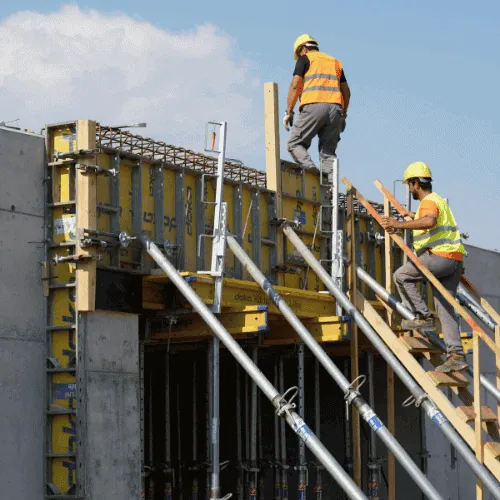
05. Construction Execution & Stabilization
Full team alignment from acquisition to stabilization to achieve timely completion of the project.
Representative Projects

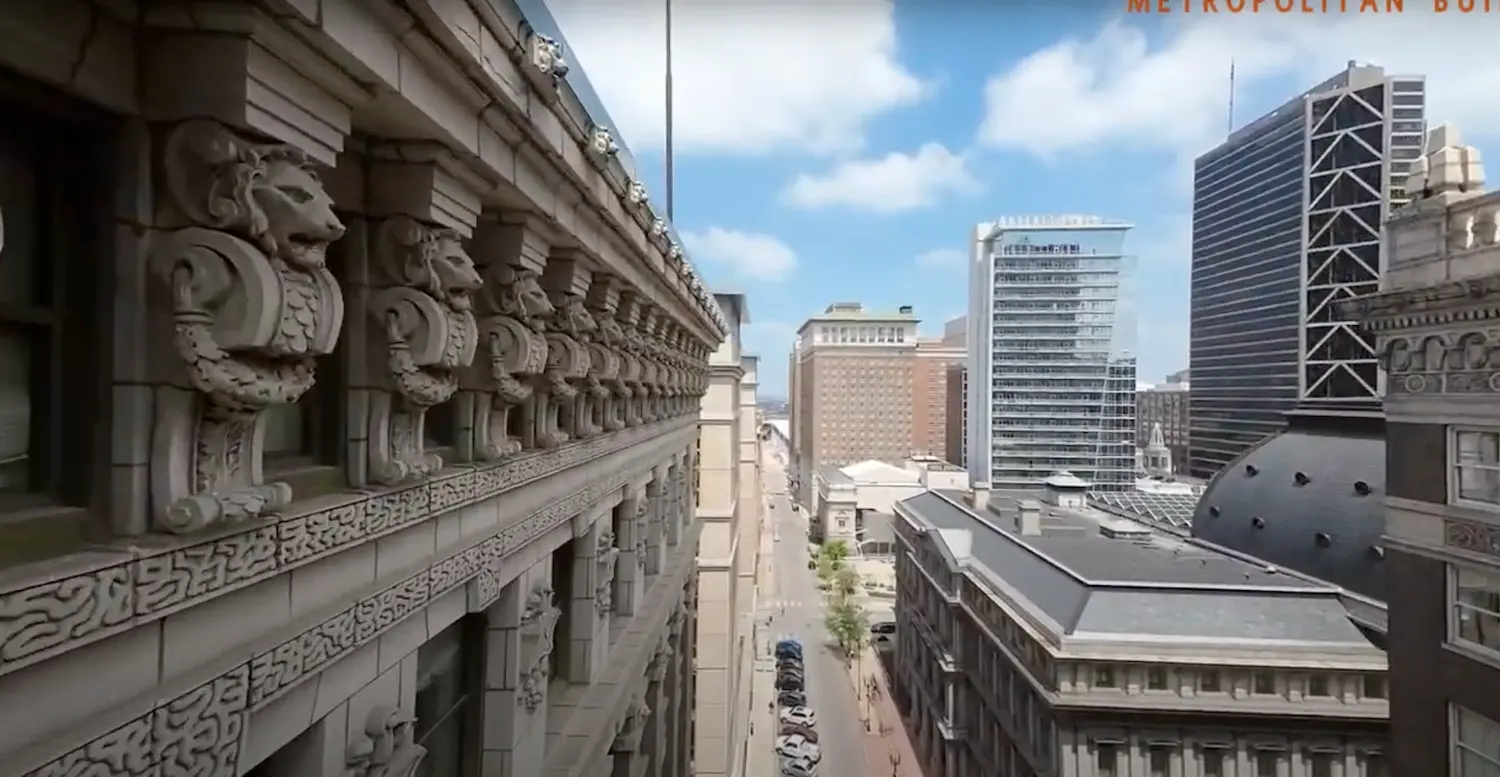

The Frisco Building
Downtown St. Louis, MO
Historic structure acquired where conventional underwriting stalled. Incentive layering improved redevelopment feasibility. Delivered as productive adaptive reuse in a constrained market.
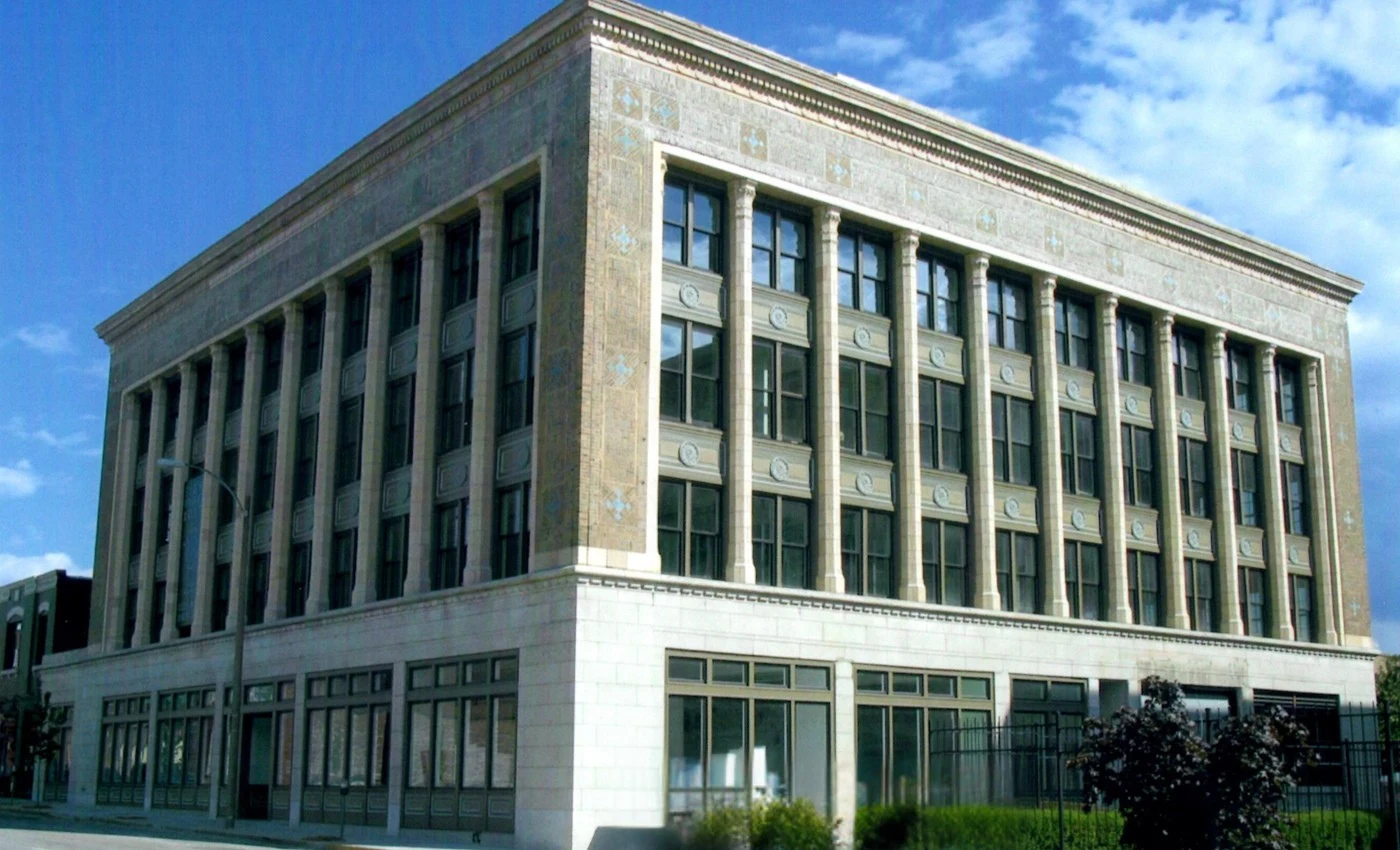


Cadillac Lofts
Automotive District, St. Louis, MO
Underutilized historic asset repositioned through adaptive reuse. Design and construction managed through internal execution. Preservation and long-term usability aligned throughout.
Note: Additional project profiles — including the Chemical Building and 505 Washington — are pending securities attorney review and will be published upon approval.
Tax Advantages of Investing

Historic rehabilitation tax credits
Federal and Missouri state credits for qualifying historic rehab work; a direct dollar-for-dollar offset against tax liability, not merely a deduction.

Tax abatement and TIF structures
Property tax abatements and Tax Increment Financing improve project economics and income returns during the hold period.
Deferred taxation on income
Structured to defer and minimize ordinary income tax through real estate depreciation and partnership allocation strategies.

Exit planning: minimal capital gains
Long-hold, structured disposition strategies targeting exits with little to no capital gains tax obligation.
Tax treatment varies by investor circumstance and does not constitute tax advice. Consult your qualified tax advisor.

About Jay Simon
Jay Simon was born and raised in the St. Louis Metropolitan Area and has spent his entire professional career building here — not parachuting in when opportunity arose, but staying through market cycles, downturns, and recoveries that tested whether his conviction was real.
A Washington University Business Administration graduate with expertise spanning architecture, engineering, and construction management, Jay founded Metropolitan Design and Building in 1983, expanding into Metropolitan Services in 1997 and launching Jay-Cee Management Company, Metropolitan Build in 2013, and City Investments in 2011.
The result is that Jay is a practitioner — not a promoter — with the relationships, institutional knowledge, and operational capability to execute where others theorize. City Investments is the vehicle through which qualified investors access that track record directly.
Recognitions
Remodeling Hall of Fame — Remodeling Magazine
Big 50 Nomination & Induction — Remodeling Magazine
Golden Brick Award — Landmarks Association of St. Louis
Homer Awards — Homebuilders’ Association
AIA Recognition — Craftsmanship & Design
Best Commercial Development, 7-Figure Class
Ready to Have a Conversation?
Contact Jay Simon Directly
Fields marked with an * are required.
"*" indicates required fields