
Historic Building Renovation, Restoration, and Preservation: What Makes These Projects Different
Historic building renovation, restoration, and preservation each come with unique challenges. Learn what property owners should know about materials, compliance, budgets, timelines, and more before starting a project.
Table of Contents
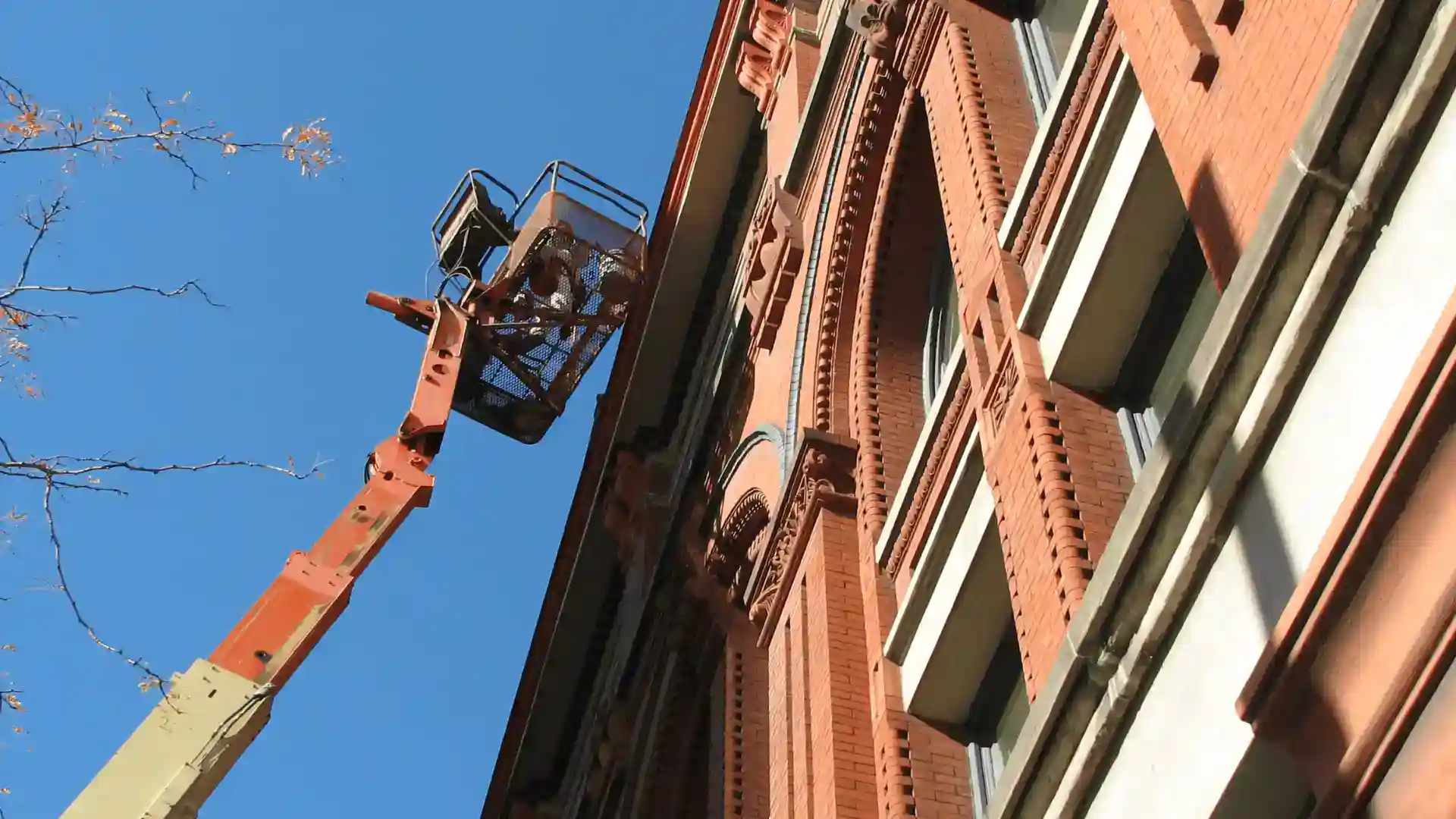
Historic building renovation succeeds or fails based on practical execution, not just good intentions about preserving character. Here’s what property owners should know before starting a project.
Historic Building Renovation vs. Restoration vs. Preservation
Historic building renovation and restoration are related but distinct: renovation is a complete update of a building’s systems and aesthetics to current standards, while restoration focuses specifically on returning historic, character-defining features to their original condition.
A third term, preservation, protects and maintains the architectural, cultural, and historical significance of older structures through careful repair, rehabilitation, and adaptive reuse. Knowing which category applies to each part of your building can help shape your budget and timeline from day one.
Structural and Material Challenges in Older Buildings
Common challenges in older buildings include outdated plumbing, electrical, and HVAC systems that need full replacement; historic materials such as windows, masonry, and roofing tile that may no longer be manufactured; and structural conditions that only surface once demolition is underway.
Adaptive reuse projects add another layer, since a building’s original purpose rarely matches its future intent. The best course of action when updating older buildings is to anticipate the unknown by working with experienced historic contractors who build contingency into their budgets and schedules because older buildings consistently reveal surprises once work starts.
Maintaining Character While Upgrading Performance
Every historic renovation has to balance modern performance with historic character, and the key to doing both well is identifying character-defining features early. These are the specific materials and details that justify a building’s historic significance; they need to be preserved, not replaced, or you risk losing historic value and historic tax credit eligibility within the building.
Everything else has more flexibility. Reproducing original steel windows from archival manufacturer drawings, for instance, restores historic facades while meeting modern insulation standards. The goal is finding the specific solution that delivers both, not choosing one over the other.
Code, Compliance, and Preservation Requirements
Historic restoration and preservation projects answer to more oversight than a standard building renovation. If a building is already on the National Register, its documented character-defining features dictate what can and can’t be touched. If it isn’t yet listed but has historic value, the path runs through a professional eligibility opinion, a preliminary application, and a full National Register application, ideally with your State Historic Preservation Office involved early, before design is finalized. Modern code requirements, like ADA accessibility, still apply on top of all this, and must be part of the conversation from the beginning of the project.
Budget and Timeline Realities
Historic restoration and preservation budgets need to account for a few predictable realities: the historic tax credit process takes real time and shouldn’t be rushed; specialized materials and fabrication cost more and take longer than standard alternatives; and mid-project surprises, such as structural issues, late-arriving code requirements, and design gaps, are common enough to plan for rather than let them be a surprise. While these factors can mean that historic projects cost more, tax credits can offset the costs and make these highly impactful projects worthwhile.
How to Approach Historic Projects Successfully
The property owners who get the best results take one crucial step at the beginning of the process: hiring a professional who knows what they’re doing. These professionals confirm the building’s National Register status, identify character-defining features before finalizing design, engage the State Historic Preservation Office, provide assistance with tax credit applications, and build in contingencies for the unexpected. Professionals like Metropolitan Build also choose an architect and contractor team with specific historic renovation experience to tie all of this together. In addition, professionals handle the negotiations between teams, owners, and contractors to move the processes along smoothly.
Contact Us to Discuss Your Historic Project
Historic building renovation, as well as restoration and preservation projects, have more moving parts than standard commercial construction, but with the right team, these moving parts are manageable, and the result is a building that performs for its next generation while still honoring its last one. If you’re weighing a historic renovation or restoration project, the team at Metropolitan Build is here to talk it through.
-
 Historic Building Renovation, Restoration, and Preservation: What Makes These Projects DifferentHistoric Building Renovation, Restoration, and Preservation: What Makes These Projects Different
 -
St. Louis Business Journal Highlights Metropolitan Build's Jay SimonSt. Louis Business Journal Highlights Metropolitan Build's Jay Simon

40+ Years of Experience

Licensed & Insured

Historic Renovation Experts

1,000+ Projects Completed